


We are featured on Malay Mail!
KUALA LUMPUR, Oct 24 — Sometimes, a cup of coffee tastes like home. Not because it is perfect, but because it is familiar — earthy, floral, a little wild. For Malaysians, that coffee has a name: Liberica.
This week, when Jason Loo stood on the World Barista Championship stage in Milan, he showcased MY LIBERICA beans from Johor — a gesture both daring and deeply personal.
In that moment, Malaysia’s own coffee species reached the world’s highest stage, and perhaps for the first time, the world tasted something unmistakably ours.
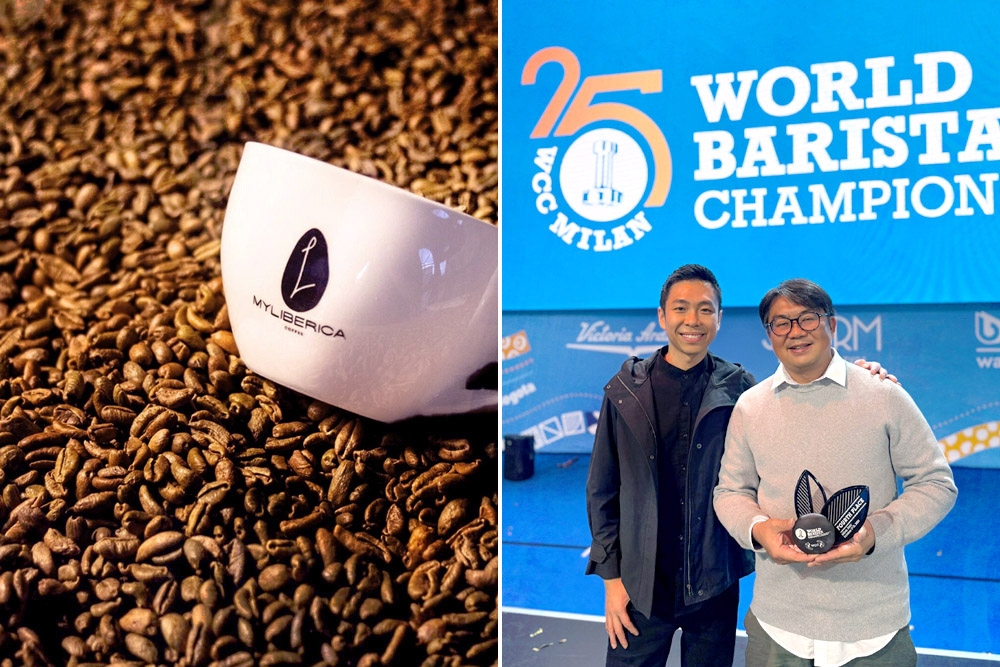
For most of us, coffee means Arabica or Robusta — the familiar twin pillars of global trade. Arabica is celebrated for its brightness and elegance; Robusta, for its strength and reliability.
But Liberica stands apart. Its beans are larger and more irregular, its flavour unpredictable: sometimes fruity, sometimes woody, often carrying a soft echo of tropical fruit. It has no wish to imitate Arabica or Robusta — it has always been its own species.
We have heard of Third Wave Coffee; now it’s time for the third coffee — Malaysian Liberica.
According to Jason Liew, founder of MY LIBERICA, that difference begins long before the beans reach the roaster.
“Liberica is hardy and adaptable,” he explains. “It grows well in both lowland and highland areas, with strong resistance to disease. What truly distinguishes it is its natural sweetness — and how harmoniously it pairs with milk or cream. That balance is something you won’t find in Arabica or Robusta.”
Over the years, MY LIBERICA has worked to refine those natural qualities, experimenting with fermentation and drying methods to uncover subtler, cleaner expressions of the bean.
Liberica has been cultivated in Malaysia for over a century, yet it was MY LIBERICA, based in Kulai, Johor, that helped give it a new identity.
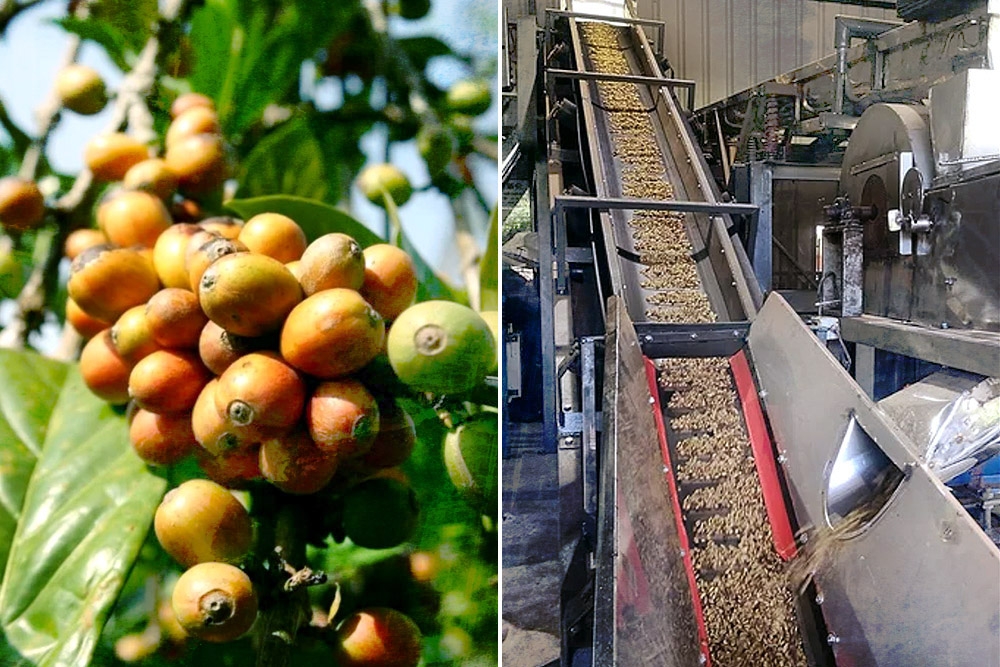
The story began with Liew’s father, who managed a 20-hectare Liberica farm long before specialty coffee became a trend.
“When I first entered the coffee industry, Arabica dominated the conversation,” Liew recalls. “But Liberica had survived in Malaysia for more than 150 years. There had to be something worth preserving. We wanted to see how far we could take it with better processing and modern techniques.”
That decision led to years of experimentation — and a fair share of obstacles.
“Processing Liberica is the hardest part,” Liew admits. “Its skin is thick, the beans are long and fragile, and because the global industry is geared towards Arabica, we’ve had to modify machines to suit our beans. It’s demanding work but every batch teaches us something new.”
Where Liberica was once dismissed as too rustic or local, it is now being recognised as distinct. Its lowland terroir and Malaysia’s humid climate yield flavours impossible to reproduce elsewhere — a coffee shaped by the same environment and patience that define the people who grow it.
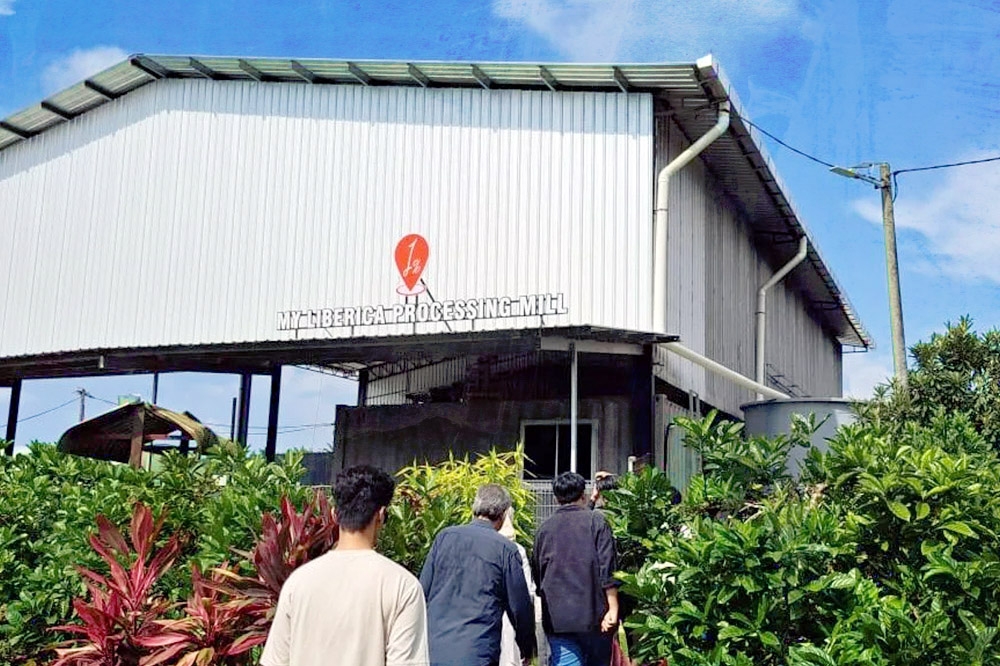
That sense of place was what drew Jimmy Leong and Loo Choy Leng (Leng Leng) of Afloat Coffee Roaster to choose Liberica for Jason Loo’s 2025 World Barista Championship routine. Jimmy was the roaster; Leng Leng the one in charge of sourcing beans and tasting.
Thus Jason Loo’s performance at the World Barista Championship finals was not just a technical exercise, but a story of farmers, families and the landscapes that sustain them. For years, Malaysia’s coffee culture has admired others; now, it is learning to value its own roots.
Those who taste Malaysian Liberica for the first time often ask what to expect.
“Our light roast highlights tropical fruit, raisin, and berry notes with bright sweetness,” says Liew. “The darker roasts lean towards chocolate, almond and a fuller body with a long, rich finish.”
Each roast reveals a different character, yet all share a sweetness and warmth that feel distinctly Malaysian.
As Liberica begins to attract international attention, Liew hopes the world sees beyond novelty.
“Malaysia is perhaps the country most deeply shaped by Liberica,” he says. “It’s more than a crop — it’s part of our daily lives. Because of our lowland geography and tropical climate, Liberica thrives here. It belongs here.”
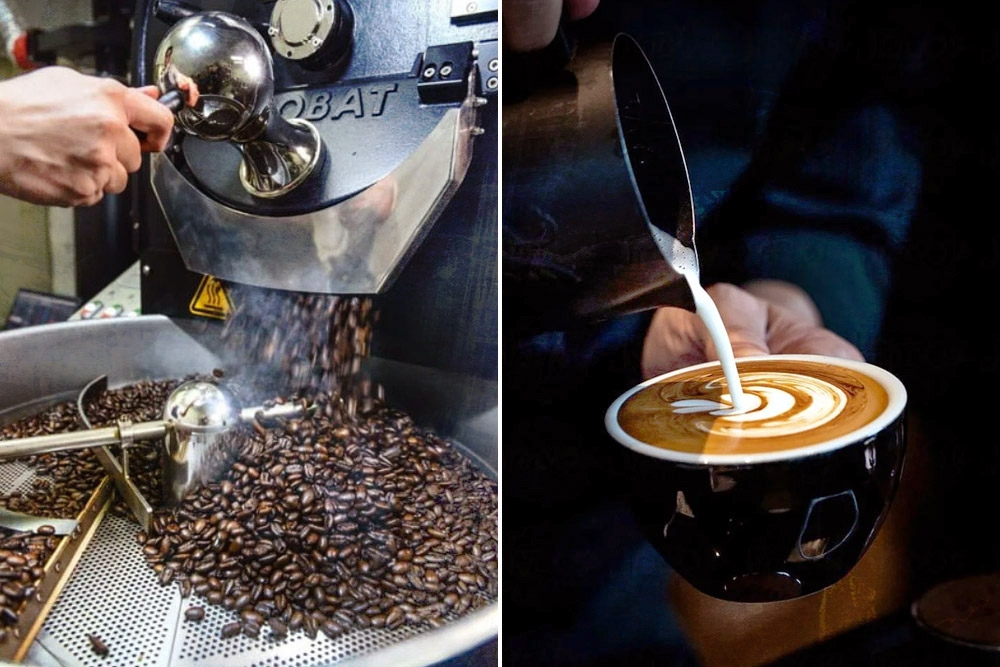
From traditional Hainanese kopi to today’s growing specialty scene, Liberica has quietly linked generations of Malaysians through shared taste and memory.
Liew adds, “Malaysia was one of the few countries that adopted Liberica early and never abandoned it. We’ve managed to preserve and evolve it from farm to cup.”
Liberica’s rise on the global stage is still unfolding, but its significance is already clear. It shows that quality can emerge from places often overlooked, and that authenticity need not be imported.
It is indeed time for Malaysian Liberica, the third coffee, or as generations of Malaysians already know, in our hearts and according to our taste buds — the best coffee.